
Psychomotor therapy
The link between the body and the mind.
The bond with others.
What makes it specific
Attention to the links between bodily and psychic experience.
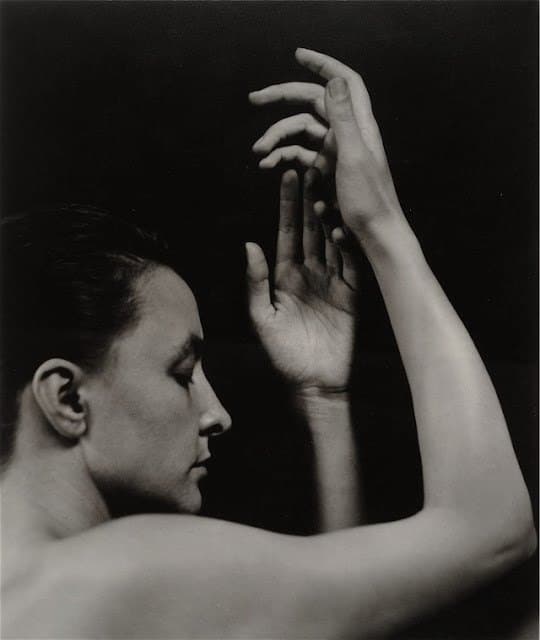
Psychomotor therapy is a practice whose guiding principle is to consider the body in all its complexity:
“Existential, expressive, emotional, identity-related.”
Psychomotor therapy sessions are for anyone, from babies to older people. Requests lie on a continuum, from a simple wish to look inward, or a daily unease for some, to a suffering that is sometimes deep, and/or more severe disorders, for others.
The reasons that lead people to consult
They are varied, and each one is singular.
The body and movement
They may concern the body and movement directly.
- developmental delay
- clumsiness
- balance difficulties
- coordination difficulties
- tics
- stuttering
- illnesses
- ageing-related difficulties
- post-fall syndrome
- neurological conditions
- chronic pain
- accidents
In these situations, the body is affected in its integrity and/or in its movement.
Emotions, relationships, the mind
They may also concern emotions, relationships with others and with oneself, and the mind more specifically.
- self-confidence
- anxiety
- depression
- addictions
- psychotrauma
- relational difficulties
- behavioural difficulties
- managing anger
- sleep difficulties
- eating difficulties
- a difficult period of life
- psychosomatic disorders
- professional exhaustion / burnout
Going through the body makes it possible to take a step back while exploring in depth. It is also a way of seeking solid foundations and cultivating one's inner resources.
The relationship to the body
For some people, the relationship to the body itself is the source of the suffering.
- eating disorders
- the experience of violence
- gender dysphoria
There are many life paths, each of them singular, in which the relationship to the body is not peaceful, and sometimes the request is simply “to learn to reclaim one's body, to inhabit it, to love it.”
The stages of life
Our body, for its part, is always in motion. It grows, it goes through stages.
- puberty
- pregnancy
- ageing
In these periods of particular sensitivity, a need for reassurance and support may be expressed. The psychomotor therapy session can be a safe space for that.
To go further
Some particular reasons have a page of their own.
- Giftedness (HPI, HQI / THQI)Psychomotor therapy and giftedness in Nantes: a space for the body of HPI, HQI or THQI people, where intensity and sensitivity can settle. Manuela Edom, psychomotor therapist.Find out more
- ADHDPsychomotor therapy and ADHD in Nantes: regulation, movement and concrete supports for the teenagers and adults concerned. Manuela Edom, psychomotor therapist.Find out more
- Anxiety & burnoutAnxiety, panic attacks, chronic stress, burnout and professional exhaustion: psychomotor therapy offers another route, through the body. Sessions in Nantes with Manuela Edom, psychomotor therapist.Find out more
- Specific learning difficultiesDevelopmental coordination disorder, dysgraphia, dyslexia, coordination difficulties… : psychomotor therapy takes an interest in the body that learns. Assessment and sessions in Nantes with Manuela Edom, psychomotor therapist (D.E.).Find out more
- Older peoplePsychomotor therapy sessions are for anyone, from babies to older people. Balance, fall prevention, autonomy and confidence: support in Nantes.Find out more
Frequently asked questions
What I am often asked.
What is psychomotor therapy?
What is it for, concretely?
Does it work for adults too?
What is the difference with speech therapy or psychology?
Book an appointment
A question about your situation?
Do not hesitate to contact me to explain your request: I will suggest an appointment, or point you to another professional if needed.